We talk first
You stay upright and dressed in your own clothes. We ask what has been bothering you, what you have had done before, and what you would rather we avoided.

Unhurried dentistry
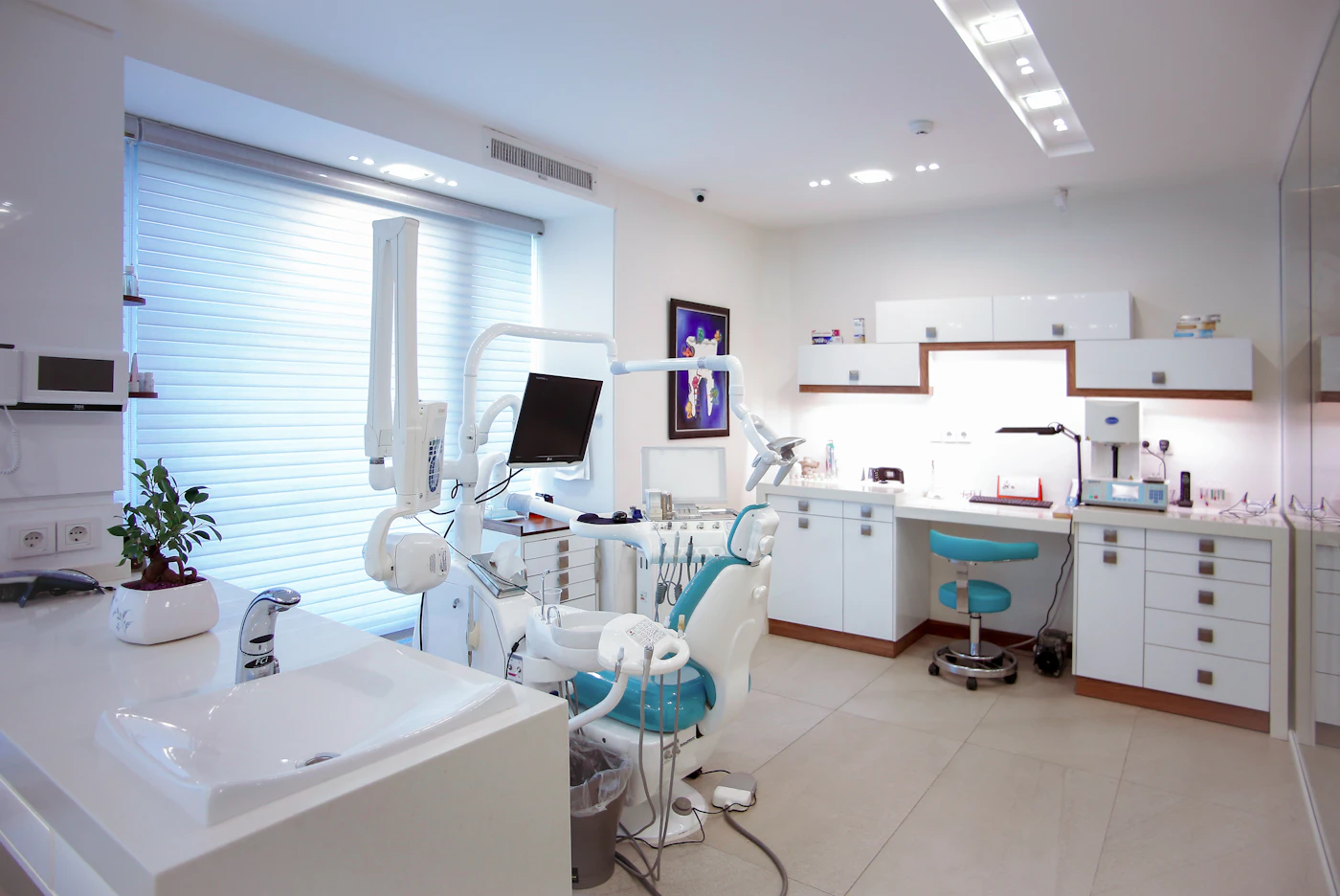
Thyme Yonder is a two-chair practice built on long appointments. We talk through what we can see, what it would cost you in time, and what happens if you wait — then you decide.
A visit, start to finish
Most people who put off the dentist are not afraid of teeth — they are afraid of not knowing what comes next. So here is the whole sequence, in order.
You stay upright and dressed in your own clothes. We ask what has been bothering you, what you have had done before, and what you would rather we avoided.
A slow examination of teeth, gums, bite and soft tissue. We describe what we find as we go, and you can ask us to stop and explain at any point.
Findings become a short plan on paper: what needs doing now, what can wait and be watched, and what is purely cosmetic and therefore optional.
Treatment is booked separately, never in the same appointment as the examination. You leave the first visit with information and no commitment.
If something hurts today, say so when you request the visit. Pain moves to the front of the list, and we will treat it in the first appointment rather than examining around it.
Treatment index
Times below are what we book, not a best case. If a treatment runs long, that is our scheduling problem rather than yours.
New and returning patients
A full look at teeth, gums, bite and soft tissue, ending in a written plan you take away.
Scale, polish and technique
Removal of hardened deposits, plus ten minutes on the two or three spots your brush keeps missing.
Decay and small fractures
Shade-matched composite, layered and cured. You can eat as soon as the numbness wears off.
Heavily worn or cracked teeth
The tooth is shaped and scanned, then fitted with a permanent crown once it is made. A temporary covers the gap between.
Infection inside the tooth
The nerve space is cleaned and sealed to keep your own tooth rather than remove it. Usually split across two sittings.
Teeth beyond saving
Removal with full local anaesthetic, aftercare instructions in writing, and a review booked before you leave.
Gradual shade change
Custom trays and supervised gel used at home over a fortnight. Fillings and crowns keep their original shade.
Grinding and jaw ache
A thin moulded guard for sleep, with a follow-up to adjust it once you have worn it for a week.
Costs are quoted per item on your written plan before you agree to anything. Nothing is added to a treatment once it has started without stopping to ask you first.
Comfort notes
A long gap is common and it is not something we comment on. Plenty of our patients arrive after a decade away, and the first appointment is designed for exactly that.
Raise your left hand and everything stops — instrument out, chair up. You do not need to explain why.
Ask for a walk-through appointment. You see the room, meet the clinician, and book nothing on the day.
Gel first, then anaesthetic delivered gradually. We wait until you tell us the area is properly numb.
First and last slots of the day are the calmest. Ask for one and bring your own headphones if it helps.
Between visits
We would rather see you less often for less work. Almost all of that is decided at home, and very little of it involves buying anything expensive.
Timed, not estimated. A cheap brush used for the full two minutes beats an expensive one used for forty seconds.
Spit and stop. Rinsing washes away the fluoride that is meant to sit on the enamel overnight.
Interdental brushes are easier to keep up than floss. We will size them for your gaps at a hygiene visit.
Sugar six times a day does more damage than one larger portion. Grazing and sipping are the real culprits.

Opening rhythm
We run a small book on purpose, which keeps appointments long and running on time. Two late evenings a week are held back for people who cannot take time off work.
Questions
Yes. Your written plan lists each item with its own price, and you take it away before agreeing to anything. If we find something mid-treatment that changes the figure, we stop, tell you, and rebook rather than pressing on.
Appointments are longer than usual so nothing has to be rushed, the first visit involves no treatment at all, and the raised-hand signal stops everything immediately. You can also book a walk-through where you simply see the room and leave.
As soon as their first teeth appear, and mainly so the room stops being unfamiliar. Early visits are usually a lift onto the chair, a count of the teeth, and a sticker. We keep children's appointments to Friday, when the practice is quietest.
Yes. Mention them on the request form and we will ask for your records and recent radiographs, which saves repeating images unnecessarily. If the records do not arrive in time we simply examine from scratch.
Use the emergency dental service for your area overnight and at weekends when we are closed. Send us the form as well — we will pick it up when the practice opens and arrange your follow-up.
A few shades lighter than your natural enamel, gradually, and the result depends on where the discolouration sits. Existing fillings, crowns and veneers do not change colour, so they sometimes need replacing afterwards to match. We will tell you before you start if the outcome is likely to disappoint you.
Examinations and hygiene visits are both fine, and gums often need more attention during pregnancy. Tell us on the form so we can plan positioning, keep appointments shorter, and postpone anything non-urgent until after the birth.
Let us know a couple of days ahead and we will move you without fuss, because a long appointment is hard to fill at short notice. Repeatedly missed appointments may mean we ask for a deposit before rebooking a long slot.
Request a visit
This is a request rather than a confirmed booking. We reply with two or three specific times to choose from, usually within one working day.